
Burn-Off Oven for Aerospace Applications: Thermal Removal of Paint, Grease & Coatings from Aircraft Parts
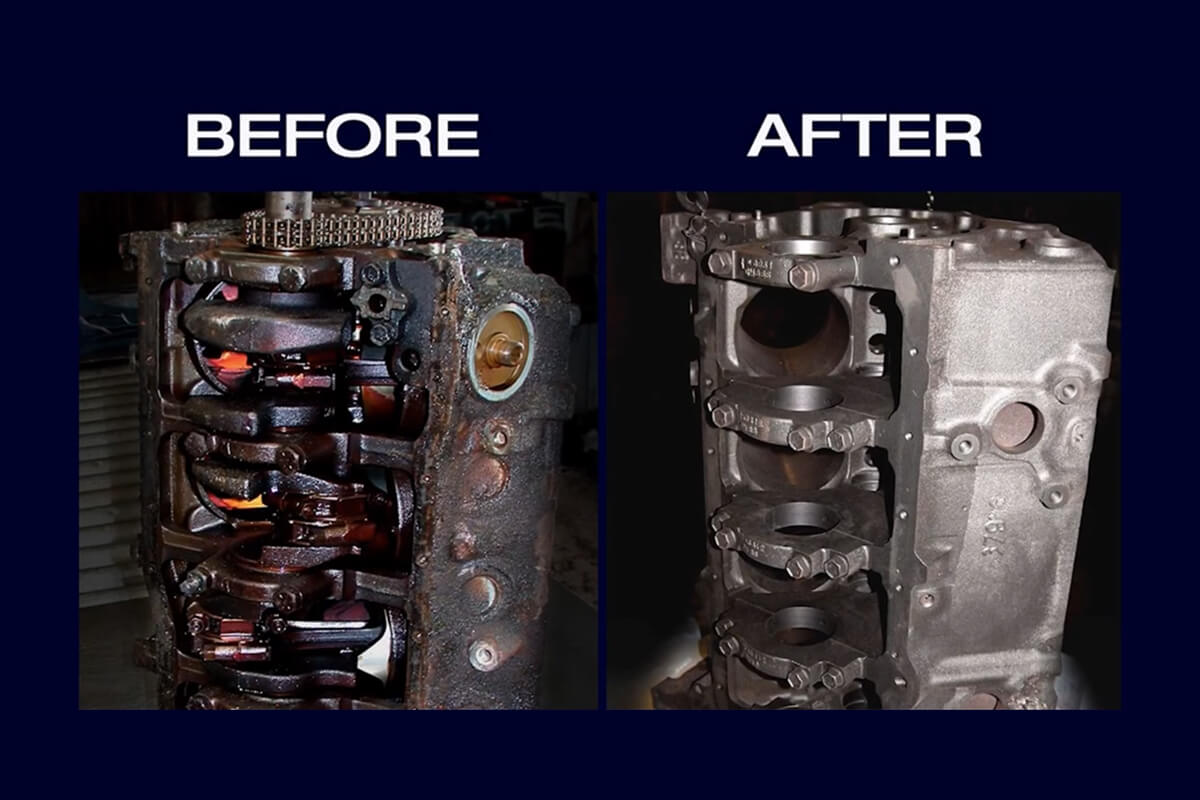 Paint buildup, carbon deposits, and bonded grease can halt aircraft component turnaround and drive up rework costs. A burn-off oven for aerospace applications removes organic coatings and contaminants from critical metal parts through controlled thermal cleaning that protects base materials and restores performance. Take control of your aerospace cleaning process with Pollution Control Products Co.
Understanding the Utilization of Burn-Off Ovens for Aerospace Applications
A burn-off oven for aerospace applications uses programmed temperature control and monitored airflow to break down organic contaminants without altering the integrity of aircraft-grade metals.
Operators load engine housings, aluminum brackets, tooling racks, and maintenance fixtures into a sealed chamber where heat cycles target buildup while internal systems manage emissions. Integrated afterburner technology processes vapors before release, helping facilities meet environmental standards.
Aerospace manufacturers rely on this method to support overhaul operations, part reclamation, and production line maintenance.
Controlled Thermal Removal of Grease, Paint, Powder Coating & Organic Residue
Controlled thermal removal targets bonded grease, cured paint films, powder coating layers, adhesives, and carbon fouling that accumulate during aerospace manufacturing and repair. Precise temperature ramp rates prevent distortion in turbine components, landing gear assemblies, and structural hardware while eliminating surface contaminants.
This process prepares parts for inspection, recoating, or reassembly in accordance with strict aerospace quality requirements.
Aerospace Components That Benefit from Burn-Off Oven Cleaning
A burn-off oven for aerospace applications supports maintenance, overhaul, and manufacturing environments where metal components require complete removal of organic buildup before inspection or reprocessing.
Aerospace facilities use thermal cleaning to extend part life, maintain dimensional accuracy, and keep production equipment operating efficiently, including:
- Jet engine casings and exhaust components
- Turbine blades and stator assemblies
- Landing gear struts and support arms
- Aluminum airframe brackets and structural supports
- Fuel system metal housings
- Aerospace paint hooks and coating racks
- Composite tooling frames with metal substrates
- Gearboxes and transmission housings
- Maintenance fixtures used in MRO operations
Improve Aerospace Production Efficiency with Controlled Thermal Cleaning
A burn-off oven for aerospace applications supports higher production output by reducing manual labor, shortening cleaning cycles, and returning metal components to the line faster.
Pollution Control Products Co. builds systems with precise temperature controls and monitored emissions processing that align with aerospace manufacturing standards and facility safety requirements.
With decades of thermal cleaning experience and thousands of installations across regulated industries, PCPC delivers consistent performance that plant managers can rely on for repeatable results. Aerospace operations that demand predictable turnaround and equipment longevity trust PCPC to keep production moving.
Explore PCPC Burn-Off Oven Solutions for Aerospace Manufacturing
Every aerospace facility runs on precision, timelines, and accountability. A burn-off oven for aerospace applications from Pollution Control Products Co. provides your team with a controlled thermal-cleaning solution backed by decades of industry expertise and regulatory knowledge. Request a quote from PCPC and start building a cleaning process that meets your production demands.
Burn-Off Oven for Aerospace Application FAQs
What temperature range does a burn-off oven operate within?
Most systems operate within controlled temperature ranges tailored to aerospace alloys, typically between 650°F and 1,200°F, depending on the material and contaminant type. Programmable controls allow operators to match heat profiles to specific aircraft components.
Can a burn-off oven for aerospace applications handle high-volume production environments?
Yes. Aerospace facilities can configure chamber sizes and load capacities to support batch processing, recurring maintenance schedules, and continuous production demands without disrupting workflow planning.
How does a burn-off oven for aerospace applications support regulatory compliance?
Integrated emission control systems process vaporized contaminants before release, helping aerospace manufacturers meet environmental and air quality standards required in regulated industries.
What materials can go into a burn-off oven for aerospace applications?
The process works for ferrous and non-ferrous aerospace metals such as steel, aluminum, and certain nickel-based alloys, provided operators follow approved thermal limits for each substrate.
Experience the Difference with Our Free Test Cleaning!
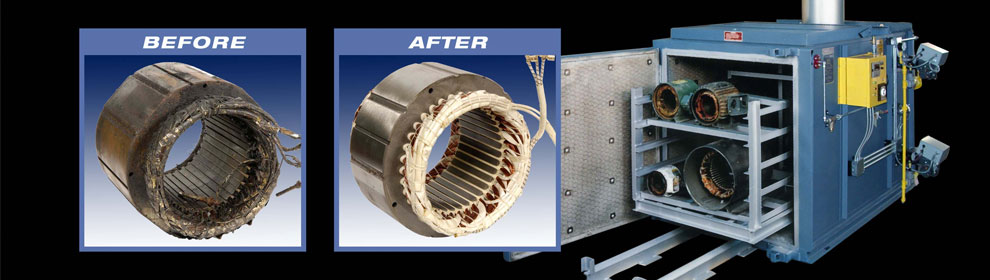
Curious about the cleaning process? Request a free test cleaning today! Simply send us a small batch of your parts (between 3 to 12 pieces, depending on their size and type). Once we receive them, we'll measure, weigh, and photograph your items. You'll have your results ready within 3 to 5 days, offering you a firsthand look at the quality of our services.
Ready to see for yourself? Contact us to start your free test cleaning!
Free Test Cleaning